

In what ways is AI used by medical students to support the learning process?


introduction
Survey methodology & sample description
All students enrolled in the medicine, dentistry and molecular medicine degree programs (a total of approximately 3,500 individuals) were surveyed via an online survey conducted with Unipark.
The survey period was from 14 January 2026 to 4 February 2026.
The content aims to take a closer look at the use of artificial intelligence in medical studies from the students' perspective.
Selected results are presented.
All respondents: 5% participation
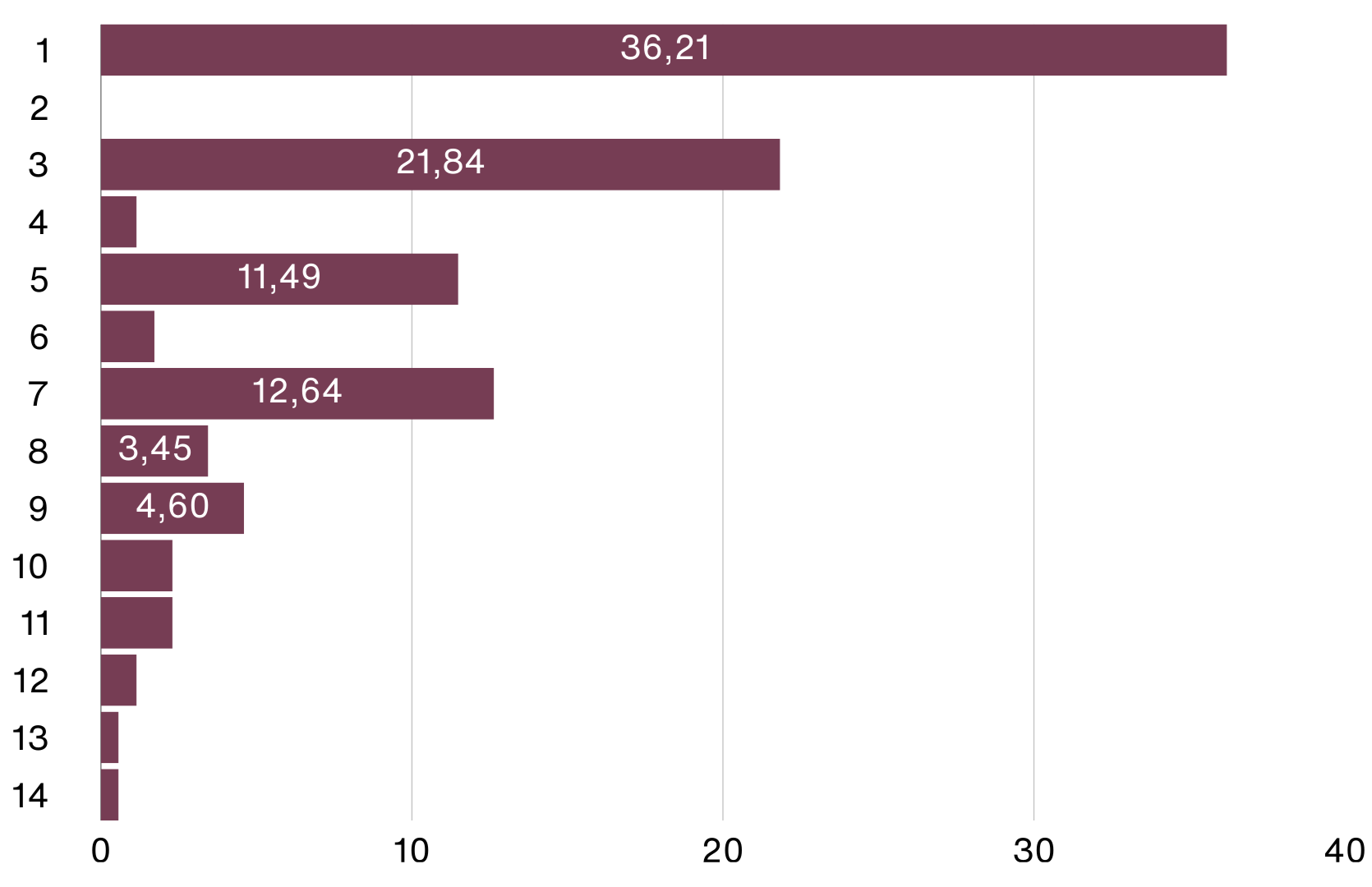
Semester (figures in per cent, N=174)
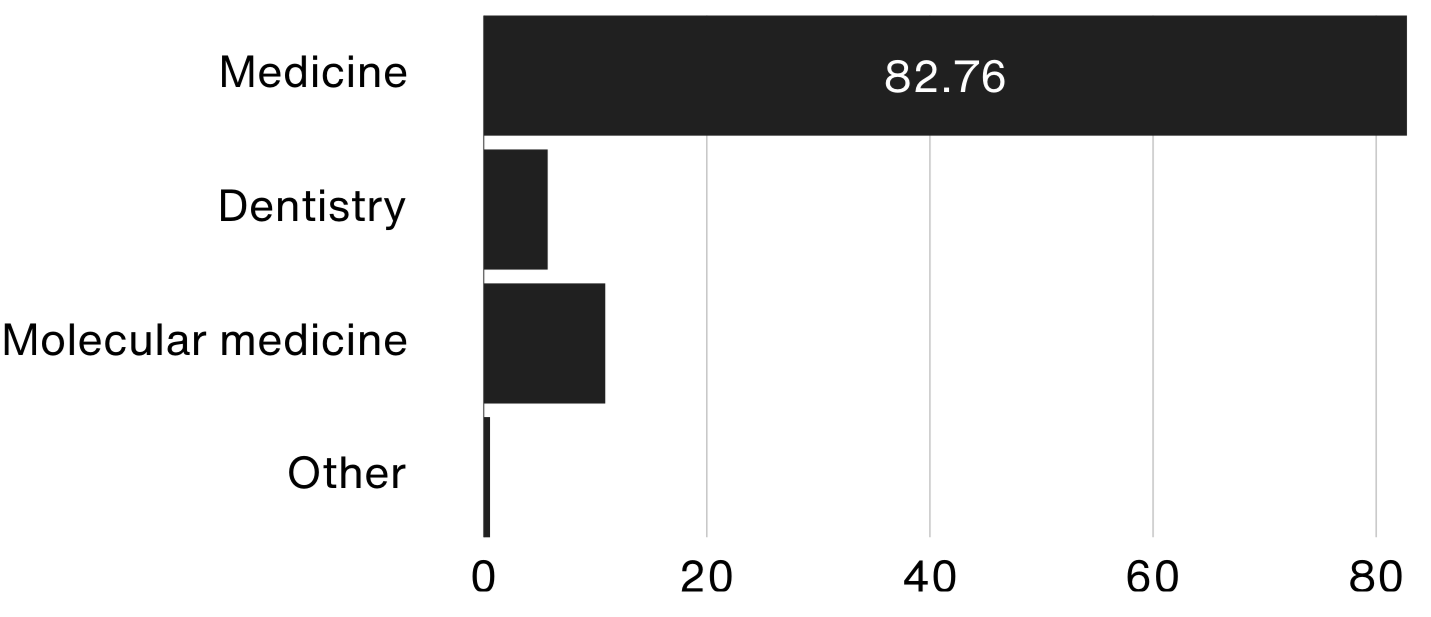
Degree program (figures in per cent, N=174)
status quo
Usage, frequency & time savings
The first part of the survey aimed at examining the current state of the usage of AI by medical students.
Fig. 1: ‘Have you already used AI-supported applications in your studies?’ (figures in per cent, N=174)
Fig. 2: ‘If so, how often in an average week during your studies?’ (figures in per cent, N=155)
Fig. 3: ‘How much time do you save per week during your studies (estimated)?’ (figures in per cent, N=155)
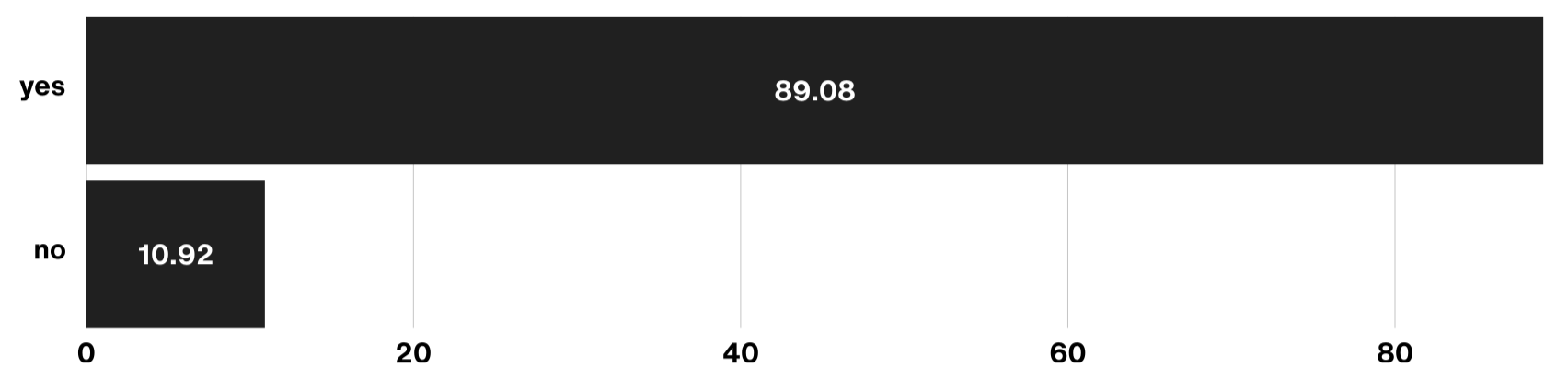
Figure 1
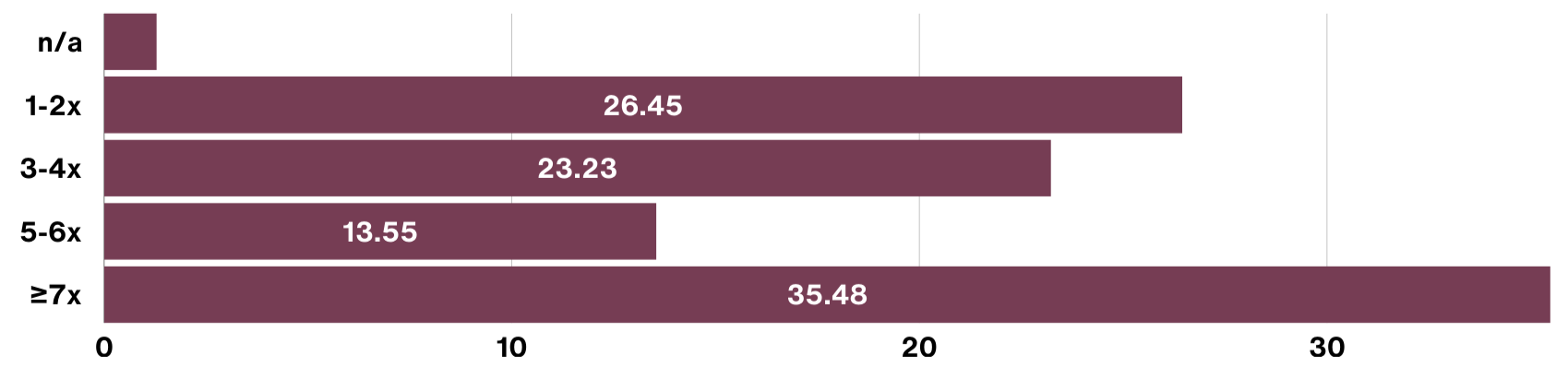
Figure 2
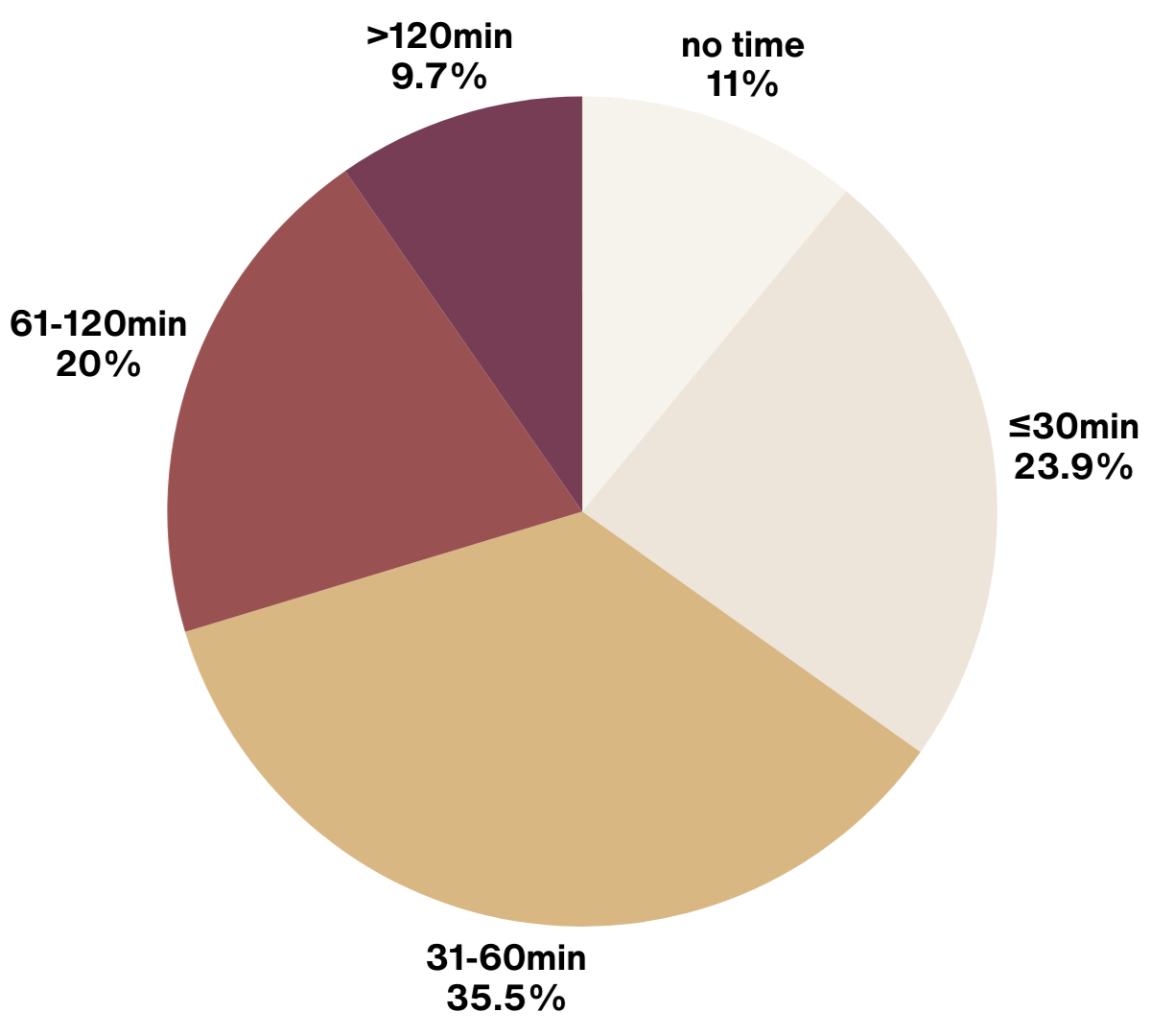
Figure 3
types & areas of application
Purposes of use & content review
The students claiming to use AI were further asked about their usage in detail.
Fig. 1: ‘How often have you used AI for the following purposes in an average week during your studies?’ (figures in per cent, N=133)
Fig. 2: ‘How often do you actively check AI responses for accuracy in terms of subject matter and content?’ (figures in per cent, N=133)
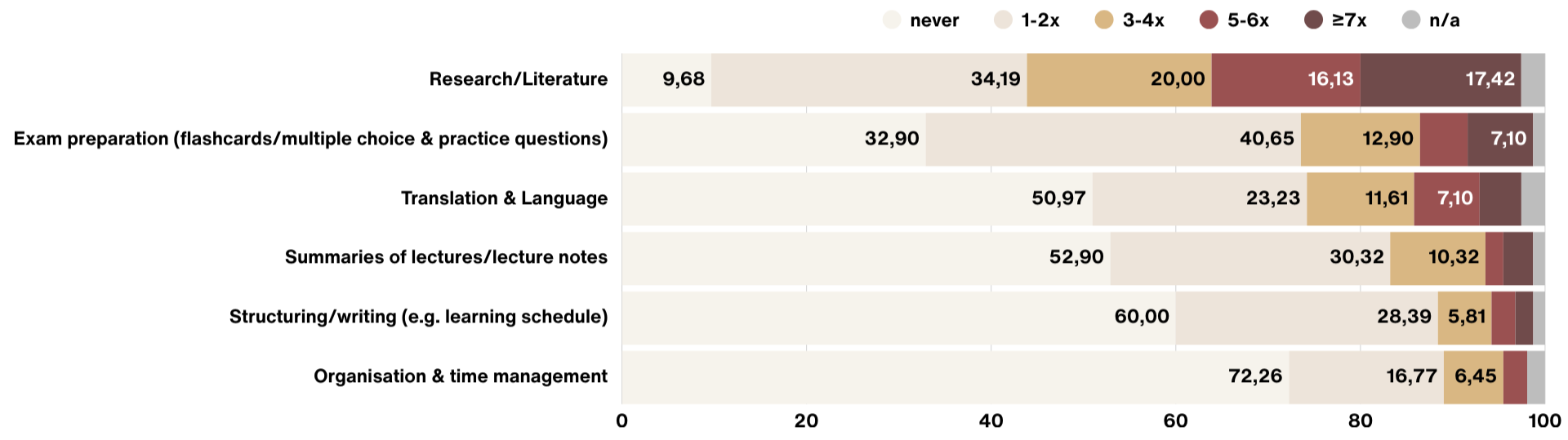
Figure 1
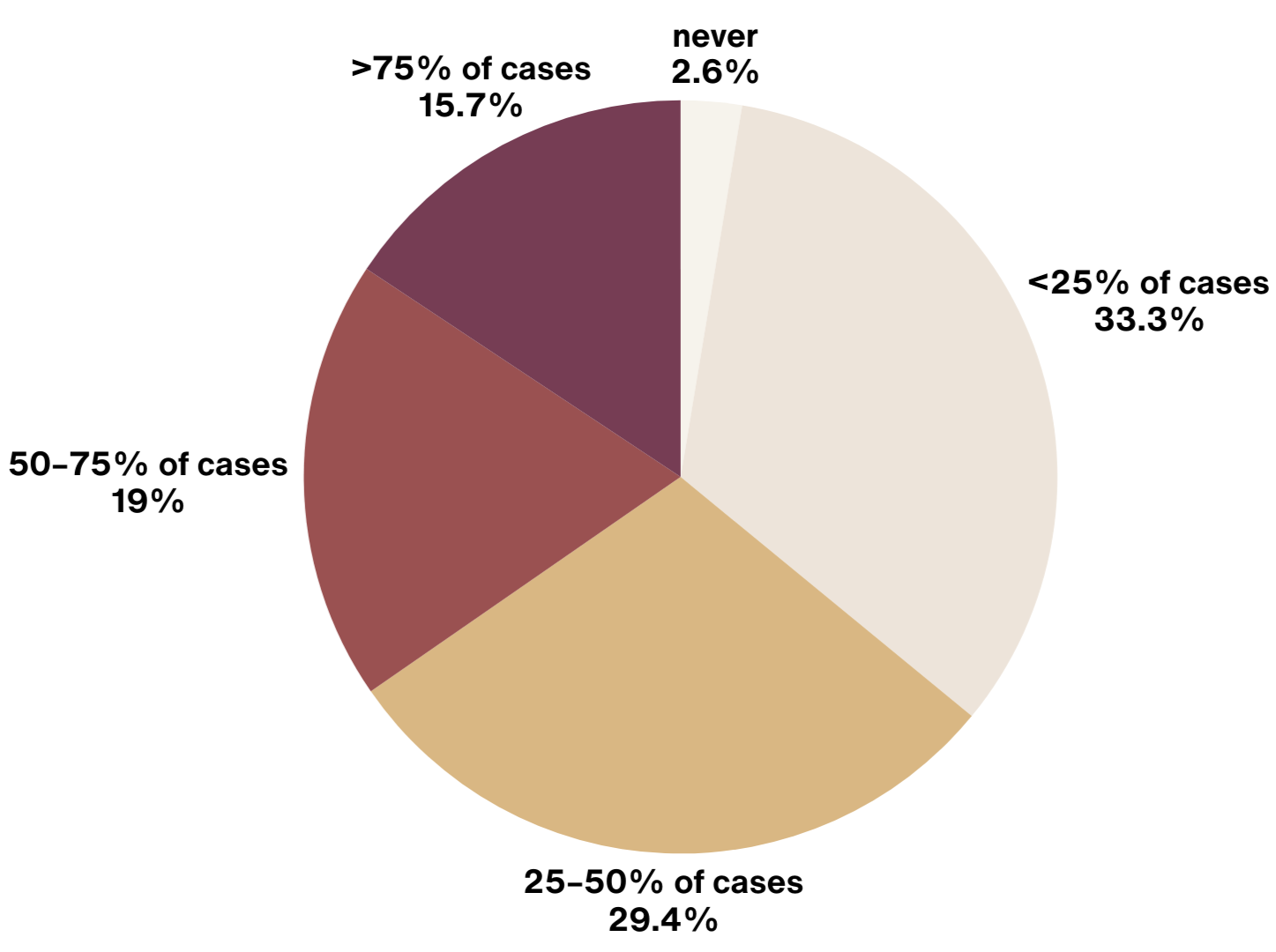
Figure 2
critical thinking
Assessment of problems and concerns
Question: ‘How relevant do you consider the following problems/concerns to be in relation to the use of AI?’ - very/somewhat relevant / not at all/somewhat irrelevant (percentage of total votes, N=174).
The options were: Unfair advantages in studies or examinations / Incorrect or ‘hallucinated’ content / Dependence on AI / Data protection and handling of sensitive data / Lack of transparency of AI systems / Ethical biases


outlook
Significance for teaching and use
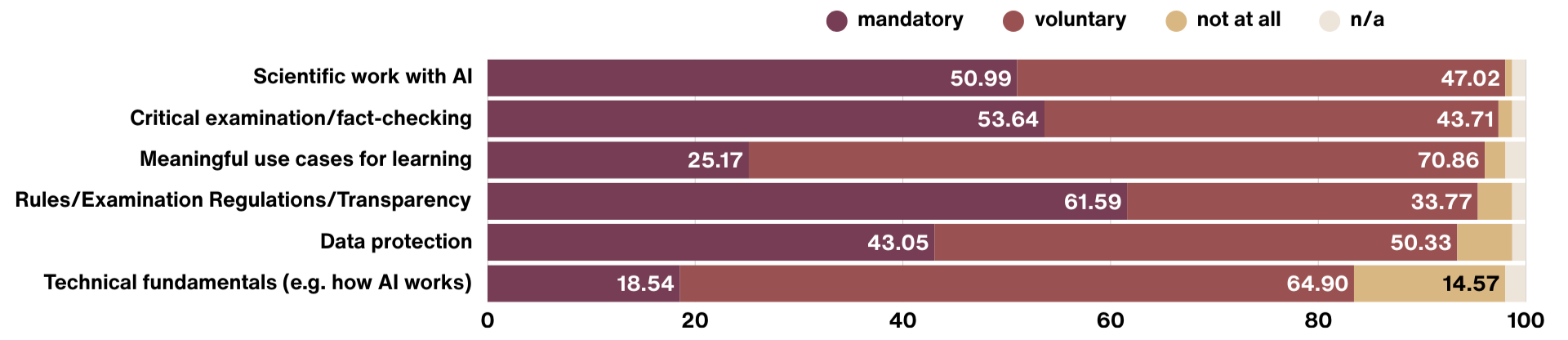
9 out of 10 students would agree that the use of AI in medical studies should be taught and communicated on a voluntary or compulsory basis. (86.78% of total votes, N=174)
Question: ‘How should the following content and topics be included?’ (Percentage, N=151)
Overall, more than two-thirds of students rate the impact of AI use in their studies as somewhat or very positive.
(72.41% of total votes, on a rating scale between very negative/very positive impact, N=174)
All translations from German to English were done with DeepL. The project is a collaboration between the Medical Faculty of Ulm University and the AI Medical Society.